chit at work
Recording consent laws by state
This is a reference table, not guidance. It sets out which states are commonly described as one-party consent and which require all parties to a private conversation to consent, with the statute for each so you can read the text yourself.
This is general information, not legal advice. Recording law varies by state and by situation, it changes, and only a lawyer in your jurisdiction can tell you what applies to you. chit records only while you hold the button — that is a fact about the device, not a statement that any particular recording is lawful.
How to read this
These statutes govern the interception and recording of private communications. They are frequently summarised as one-party or all-party, and that summary is genuinely useful — but it is a summary. The statutes differ on what counts as a private conversation, on whether the rule changes for in-person versus telephone, on whether an expectation of privacy is required, and on the penalties.
Federal law (18 U.S.C. § 2511) is one-party consent, and state law can be more restrictive. Where parties are in different states, more than one law may be relevant. Neither of those questions is answerable by a table.
Nothing below tells you whether you may record anything. It tells you which statute to go and read.
States generally described as all-party consent
These are the states most commonly cited as requiring the consent of every party to a private conversation. Several have significant nuance in case law or apply differently to in-person versus electronic communications, which is exactly why the citation matters more than the label.
| State | Statute |
|---|---|
| California | Cal. Penal Code §§ 631, 632 |
| Connecticut | Conn. Gen. Stat. § 52-570d (civil); § 53a-189 |
| Delaware | Del. Code tit. 11, § 1335 |
| Florida | Fla. Stat. § 934.03 |
| Illinois | 720 ILCS 5/14-2 |
| Maryland | Md. Code, Cts. & Jud. Proc. § 10-402 |
| Massachusetts | Mass. Gen. Laws ch. 272, § 99 |
| Michigan | Mich. Comp. Laws § 750.539c |
| Montana | Mont. Code Ann. § 45-8-213 |
| Nevada | Nev. Rev. Stat. § 200.620 (telephonic) |
| New Hampshire | N.H. Rev. Stat. Ann. § 570-A:2 |
| Oregon | Or. Rev. Stat. § 165.540 (in-person) |
| Pennsylvania | 18 Pa. Cons. Stat. § 5703 |
| Washington | Wash. Rev. Code § 9.73.030 |
Statute numbers are given so you can read the current text; they are not a summary of what each statute requires. Several states on this list are categorised differently by different sources — Michigan and Nevada in particular are treated inconsistently, and Oregon distinguishes in-person from telephonic. Verify against the statute and current case law before relying on any of it.
The rest
The remaining states, and the District of Columbia, are generally described as one-party consent, meaning the consent of one party to the conversation is what the statute requires. Federal law is also one-party.
That description carries the same caveats as the table above. One-party does not mean unrestricted: statutes still distinguish private from non-private communications, several states have separate rules for video or for particular settings, and other bodies of law — employment, wiretap, privacy tort, professional conduct rules — can apply to the same recording.
Where a device fits into this
It does not, legally. No product makes a recording lawful, and we would not claim that chit does.
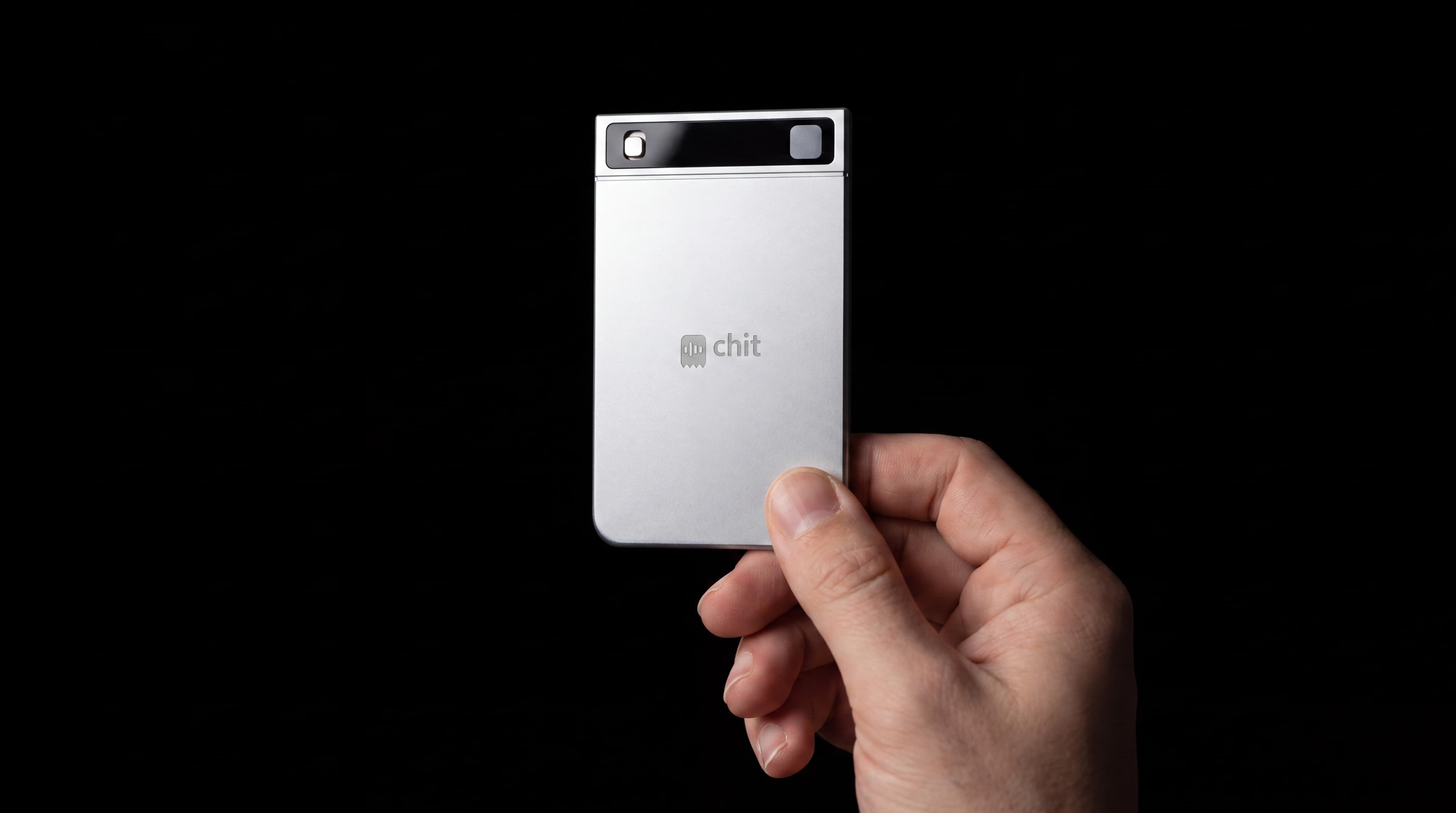
What is true is a fact about the hardware rather than the law: chit records only while the button is physically held. There is no wake word and no always-on microphone, so nothing is captured ambiently and the act of recording is visible to the people around you for exactly as long as it lasts. Whether any given recording is permitted is a question for your state's statute and, if it matters, a lawyer in your jurisdiction.
Good questions
Is this list authoritative?
No. It is a starting point with citations so you can read the statutes themselves. Categorisations differ between sources, statutes change, and case law shifts how they are applied.
What if the people are in different states?
More than one state's law may be relevant, and the answer is not general — it depends on the states and the situation. This is one of the clearest cases for asking a lawyer rather than reading a table.
Does chit make a recording legal?
No. It records only while you hold the button, which is a design fact, not a legal one. Whether a recording is lawful depends on your state and your circumstances.
Does federal law override my state's?
Federal law is one-party consent, and states may impose stricter requirements. Which applies to a given situation is a legal question, not a product one.
Reviewed 2026-08-07.
Nearby trades