chit at work
How to ask permission to record a meeting
This is an etiquette problem more than a legal one. People hesitate not because they do not know the rule but because they expect the question to be awkward — and it is only awkward when it sounds like a legal formality instead of a reason.
This is general information, not legal advice. Recording law varies by state and by situation, it changes, and only a lawyer in your jurisdiction can tell you what applies to you. chit records only while you hold the button — that is a fact about the device, not a statement that any particular recording is lawful.
The principle: lead with why
A request to record sounds defensive. A reason sounds considerate. The identical action reads completely differently depending on which one comes first, and the reason people actually accept is always some version of so I can pay attention to you instead of writing.
Say it early — as the meeting starts, not once something important has been said. Asking mid-conversation implies the last ten minutes were also recorded, which is the thing that makes people uncomfortable.
Four scripts you can actually say
These are the ones that do not sound like a compliance script:
- Client meeting: "Do you mind if I record my notes on this? It means I can actually listen instead of scribbling."
- Site or field visit: "I'm going to talk into this as we walk so I get the numbers right — shout if you'd rather I didn't."
- Interview: "I record so I can quote you accurately rather than from memory. Is that all right?"
- Phone call: "Before we start — I take my notes by recording. Happy to turn it off if you'd prefer."
If they say no
Then you do not record, and you say so plainly: no problem, I'll take notes the old way. Two things follow from that. The person has just told you something useful about the relationship, and you have kept it, which is worth more than the recording would have been.
The mistake to avoid is recording anyway on the theory that your state only needs one party. Even where that is permitted, doing it after someone has said no is a different kind of decision, and it is the one that ends relationships and careers.
Why the device shape helps here
The reason this conversation is usually strange is that recording is invisible. Nobody can see when a phone stopped, or what a piece of software captured, so the assurance has to be taken on trust.
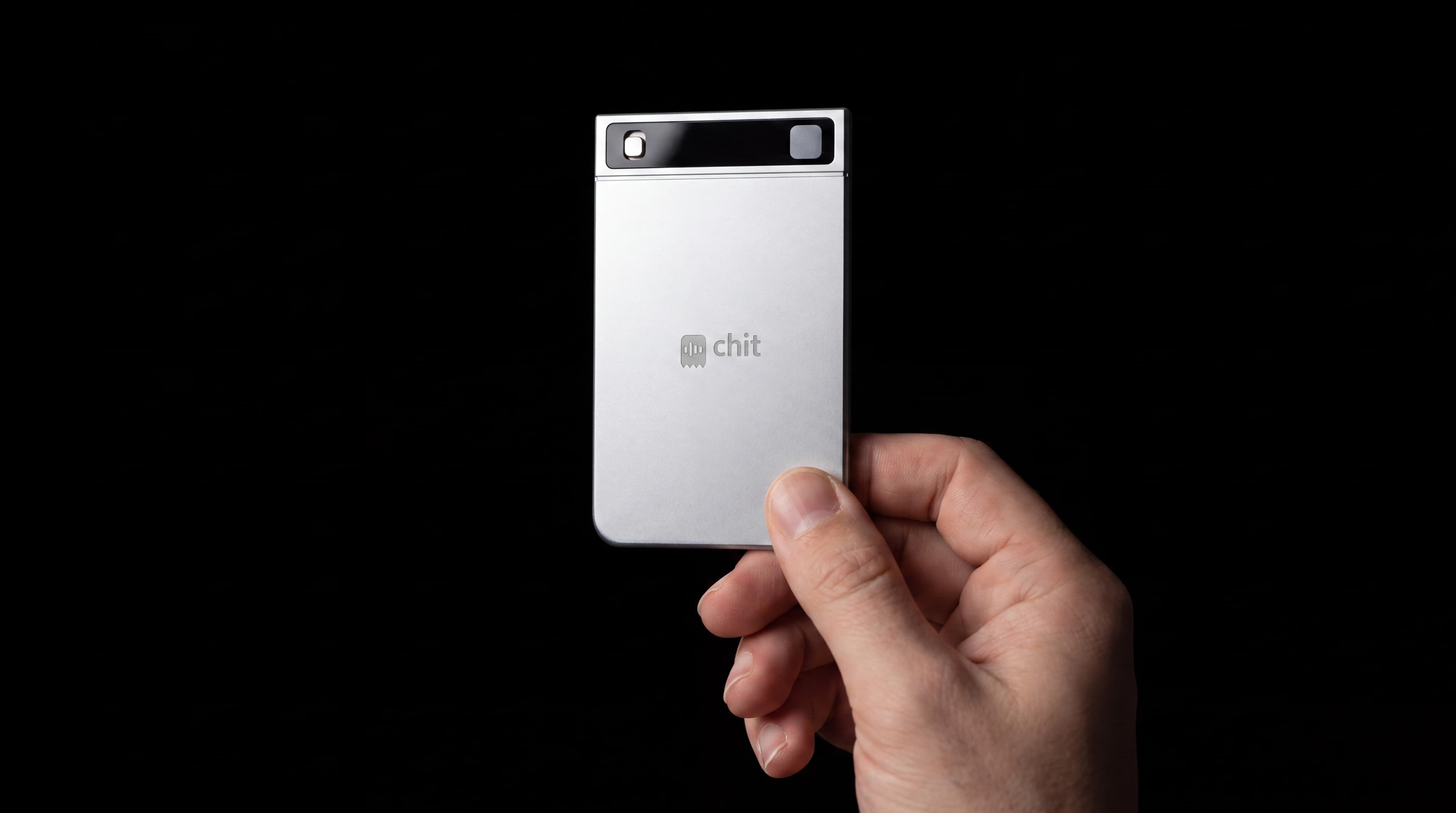
chit records only while the button is physically held. You can hold it up when you say the line, and when the conversation is over you let go and everyone can see that it stopped. The disclosure becomes a demonstration rather than a promise — which is a genuinely easier thing to do in a client's kitchen or across a boardroom table.
None of that is a statement about whether a given recording is permitted. The rules vary by state, this is not legal advice, and asking remains the reliable habit regardless of what your state requires.
Good questions
Do I legally have to ask?
It depends on your state and the situation, and this page is not legal advice. Several states require every party to consent; others require one. Asking is the habit that works regardless.
When should I ask?
At the start, before anything substantive. Asking partway through implies the earlier part was recorded too, which is what makes people uncomfortable.
What if I forget until the meeting has started?
Ask then, and be clear about what you are asking for going forward. Or skip it and record a recap afterwards of your own account of the meeting, which most people find is the easier habit anyway.
Does holding the button count as disclosure?
It makes recording visible, which helps in practice. It is not a legal substitute for consent where consent is required.
Reviewed 2026-08-07.
Nearby trades