chit at work
One-party vs two-party consent
Most people meet this distinction as two phrases without definitions. This page explains what each means, why the common name for the second one is misleading, and which questions the distinction does not answer. It is general information rather than legal advice.
This is general information, not legal advice. Recording law varies by state and by situation, it changes, and only a lawyer in your jurisdiction can tell you what applies to you. chit records only while you hold the button — that is a fact about the device, not a statement that any particular recording is lawful.
The definitions
One-party consent means a statute is satisfied where one party to the conversation consents to it being recorded. If you are part of the conversation, you are typically that party. This is the federal rule and the rule in most states.
Two-party consent means every party has to agree. That is where the name goes wrong: the rule is not about two people, it is about all of them. On a five-person call in an all-party state, the requirement is five, not two. Practitioners generally say all-party for this reason, and it is worth adopting because the misnomer causes real mistakes on group calls.
What the distinction does not settle
Whether the conversation was private. Most of these statutes apply to private communications or to situations with a reasonable expectation of privacy. A conversation in a public place may sit outside the statute entirely — or may not, depending on the state and the circumstances.
Which state's law applies. If you are in a one-party state and the person you are speaking to is in an all-party state, more than one law may be in play. There is no general rule that resolves this, and it is the single most common way people who think they have checked get it wrong.
Whether some other rule applies. Employment policy, professional conduct rules, contractual terms, and privacy law can all govern a recording that a wiretap statute permits. Those are separate gates.
What the recording is good for afterwards. Admissibility is a different question from legality, decided by different rules.
Why disclosure is the practical answer
Every all-party state's requirement is satisfied by consent, and consent is usually available by asking. In practice the reliable habit is not memorising a map — it is saying a sentence at the start: I'd like to record this so I get my notes right, is that all right with you.
That works in a one-party state too, where it costs you nothing and buys goodwill. There is a page on how to say it without making it strange.
What a hold-to-record device changes
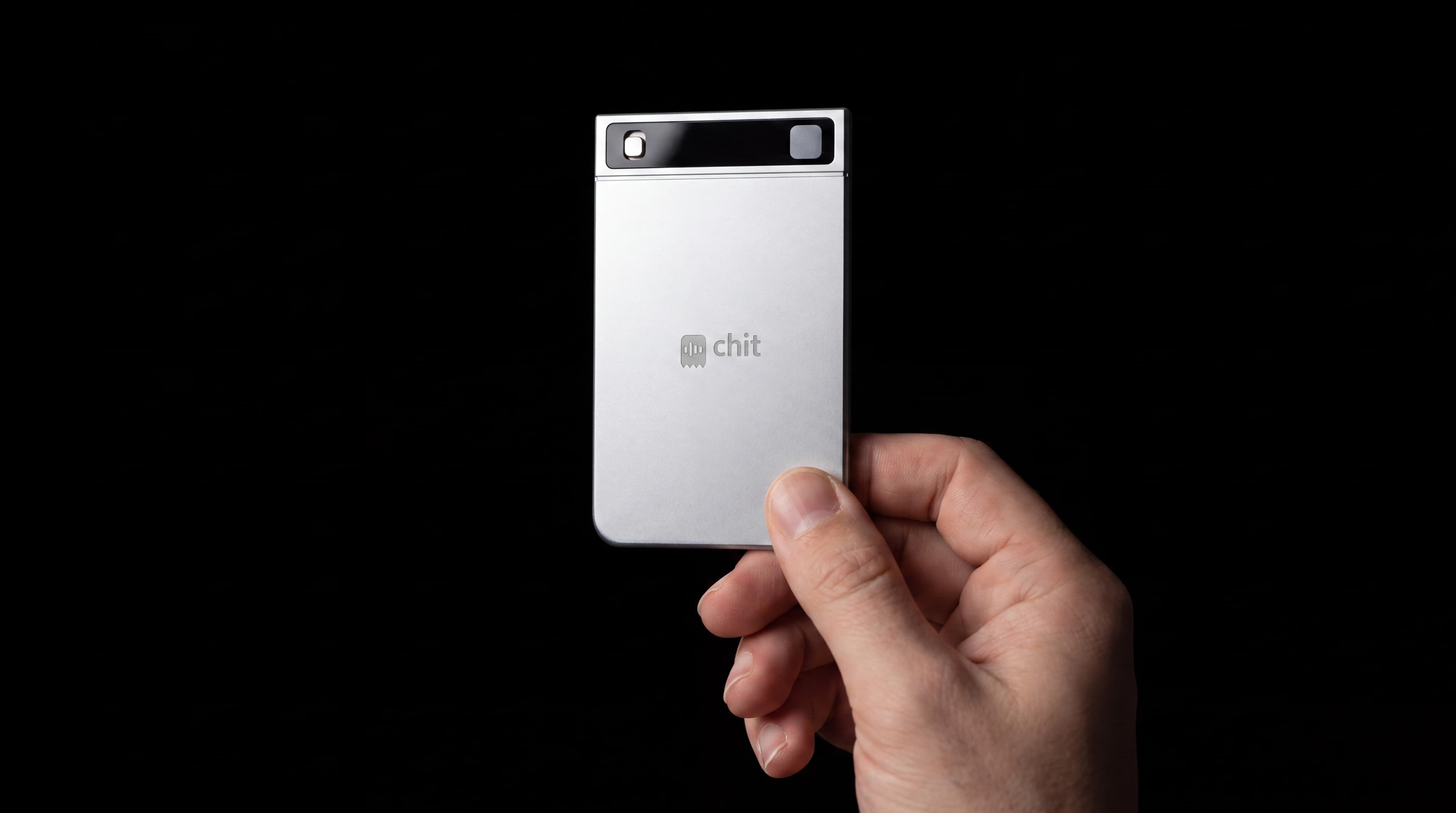
Nothing legally. What it changes is the practical shape of the situation: chit records only while the button is held, so there is no ambient capture and no question about what else was recorded today. When the conversation is over you let go, and everyone can see that.
That does not answer a consent question and does not make anything lawful. It just means the fact of recording is visible and bounded rather than something you have to be trusted about.
Good questions
Does two-party consent mean exactly two people?
No — it means every party. On a call with five people in an all-party state, all five are the requirement. All-party is the more accurate name.
Which states are which?
There is a dated reference table with statute citations for each state on our recording consent laws by state page.
What if I am in a different state from the other person?
More than one law may be relevant and there is no general answer. This is the case where reading a summary is least reliable and asking a lawyer is most warranted.
Is consent the only thing that matters?
No. Employment policy, professional conduct rules and contract terms can all apply to a recording that a wiretap statute permits. They are separate questions.
Reviewed 2026-08-07.
Nearby trades