chit at work
How to transcribe an interview
Automatic transcription changed the arithmetic of this job — the four-to-one ratio of typing time to audio time is gone. What it did not change is that somebody still has to verify, and knowing exactly what to verify is the difference between an hour and an afternoon.
Get the recording right first
Everything downstream is decided here, and no amount of software rescues bad audio. Close beats loud: get the recorder near the person speaking rather than in the middle of the table. Choose the quieter room even if it is less comfortable. Avoid the corner table by the coffee machine, which is worse than the middle of a busy room because the noise is intermittent.
At the top of the recording, say the date, who is present, and what this is. That thirty seconds is the difference between a file and a document, and it survives into the transcript where you will actually see it.
The workflow
Once you have audio, the sequence that wastes the least time:
- Generate the draft transcript first. Never start by typing.
- Read it through once without the audio, marking anything that reads oddly — garbled passages usually look wrong before you hear that they are.
- Now go to the audio only for those marks, plus the four categories below.
- Fix speaker attribution before anything else. A misattributed sentence is the error with real consequences.
- Keep the timestamps. They are what make the transcript usable six weeks later.
The four things you always check by ear
Names of people and places. No context exists for a model to recover them from, so they are wrong most often.
Numbers, dates and figures. A wrong digit is not a typo, it is a different fact.
Direct quotes you intend to publish or cite. Every one, without exception. This is the non-negotiable part of the job and no tool removes it.
Crosstalk. Wherever two people spoke at once, assume the transcript guessed and check what it did.
The part people underestimate: finding it again
Most advice stops at producing the transcript, which is the easier half. The harder problem arrives weeks later, when you need the exchange where they explained the funding decision and you have nine interviews.
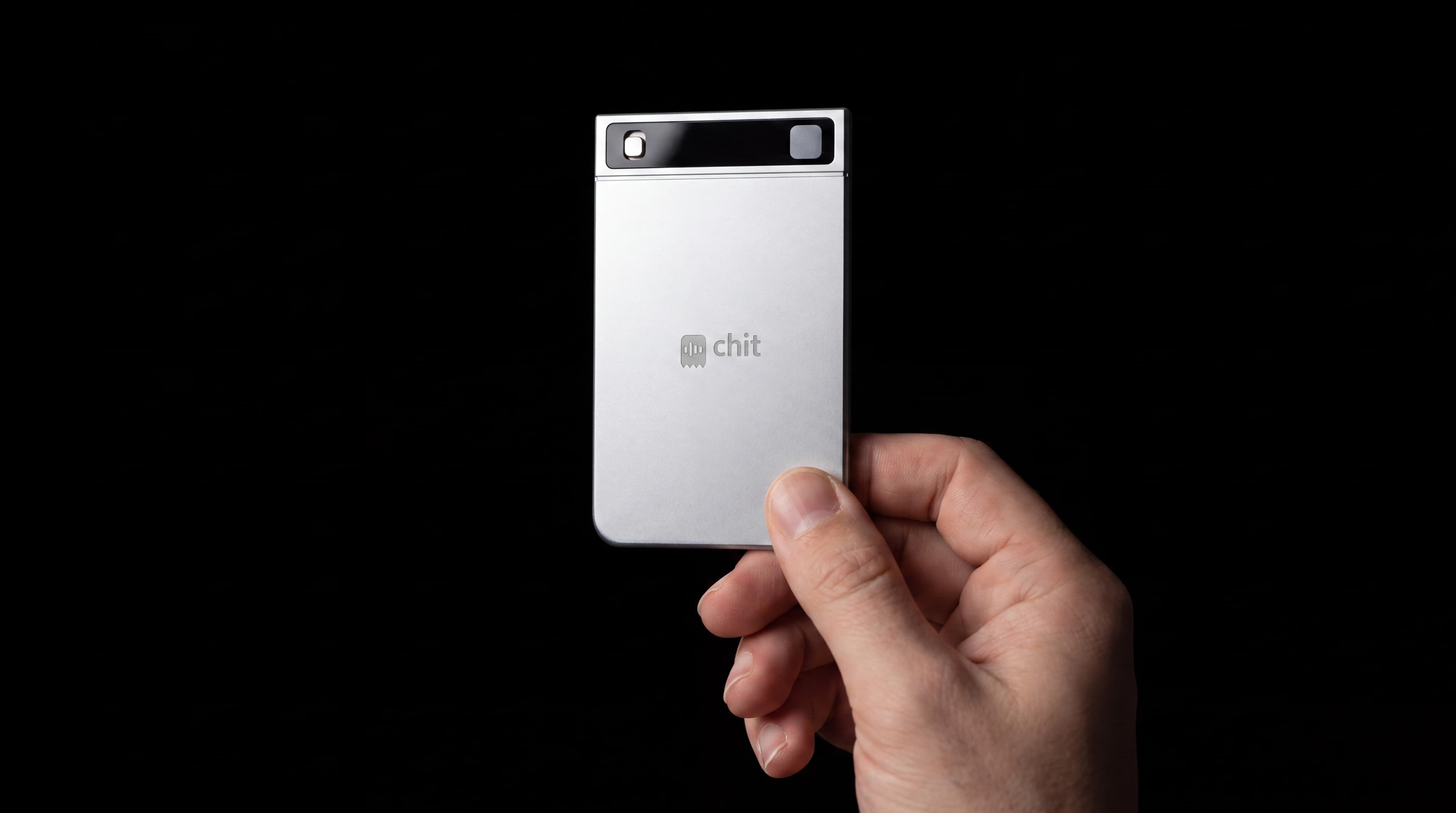
This is where a searchable archive stops being a nicety. With chit, every capture becomes a transcript and ask-anything search runs across all of them — you ask the question rather than scrubbing files, and get the moment back with its timestamp. For anyone running a research programme or a beat over months, that retrieval is where the time actually goes.
Recording law varies by state and several require every party to consent, so the consent conversation comes first. There is a page on how to ask without making it strange.
Good questions
Can I just publish the AI transcript?
Not for anything you are quoting. Verification of names, numbers, dates and every direct quote against the audio is the part no tool removes.
Does chit label who is speaking?
We do not sell speaker labelling as a feature. The membership includes unlimited transcripts of what you capture; attribution in a multi-speaker interview is something you should verify by ear regardless of the tool.
How do I find a quote from months ago?
Ask-anything search runs across everything you have captured and returns the moment with its timestamp, which is faster than scrubbing files.
Do I need permission to record an interview?
That depends on your state — several require every party to consent — and this is not legal advice. Asking at the start is the reliable habit either way.
Reviewed 2026-08-07.
Nearby trades